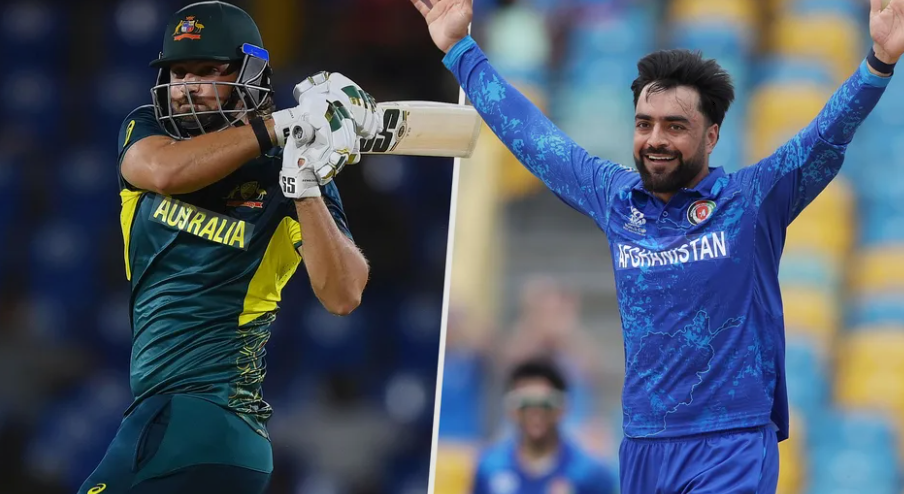
The encounters between Afghanistan and Australia in international cricket reflect a story of contrast, growth, and evolving competitiveness. One side represents long standing dominance built on experience, depth, and world class structure, while the other showcases rapid development, fearless intent, and continuous improvement. Over the years, their meetings have shifted from one sided contests to more tactical battles in specific phases of play. Each match has contributed to shaping a unique rivalry narrative filled with pressure moments, individual brilliance, and strategic adjustments. This timeline captures their journey through scorecards, performances, and turning points that highlight how far emerging cricket has come on the global stage.
Latest Matches Table
Match Date
Match Format
Tournament Name
Match Venue
Match Winner
Performance Margin
Mar 04, 2015
ODI
ICC World Cup
WACA Ground
Australia
Australia won by 275 runs
Jun 01, 2019
ODI
ICC World Cup
Bristol Ground
Australia
Australia won by 7 wickets
Nov 04, 2022
T20I
ICC T20 World Cup
Adelaide Oval
Australia
Australia won by 4 runs
Nov 07, 2023
ODI
ICC World Cup
Wankhede Stadium
Australia
Australia won by 3 wickets
Jun 23, 2024
T20I
ICC T20 World Cup
Arnos Vale Stadium
Afghanistan
Afghanistan won by 21 runs
Feb 28, 2025
ODI
ICC Champions Trophy
Gaddafi Stadium
No Result
Match abandoned due to rain
Team Statistics Summary Table
Format
Total Matches
Won by Australia
Won by Afghanistan
Tied Matches
No Result Matches
Test Matches
0
0
0
0
0
One Day Internationals
5
4
0
0
1
T20 Internationals
2
1
1
0
0
First Class
0
0
0
0
0
List A
5
4
0
0
1
Overall Combined
7
5
1
0
1
Individual Batting Records Table
Player Name
Representing Team
Total Innings
Runs Scored
Highest Score
Batting Average
Glenn Maxwell
Australia
6
368
201
92.00
David Warner
Australia
4
344
178
114.66
Ibrahim Zadran
Afghanistan
4
224
129
74.66
Rashid Khan
Afghanistan
5
148
48
37.00
Mitchell Marsh
Australia
4
121
45
30.25
Rahmanullah Gurbaz
Afghanistan
4
115
60
28.75
Individual Bowling Records Table
Bowler Name
Representing Team
Overs Bowled
Wickets Taken
Best Bowling
Economy Rate
Mitchell Starc
Australia
38.0
9
4 for 42
4.21
Pat Cummins
Australia
39.0
7
3 for 28
4.65
Gulbadin Naib
Afghanistan
28.4
6
4 for 20
5.34
Rashid Khan
Afghanistan
42.0
6
2 for 44
5.11
Adam Zampa
Australia
36.5
6
2 for 28
5.25
Naveen-ul-Haq
Afghanistan
19.0
5
3 for 48
5.84
Early Gap in International Cricket Journey
The early phase of meetings between these two sides reflected a wide gap in experience, structure, and exposure. One team entered the international arena with decades of dominance, strong domestic systems, and world class match awareness. The other was still building its foundation, learning how to handle pressure against elite opponents. In these initial years, matches felt more like learning experiences than balanced contests. The stronger side controlled most sessions with disciplined bowling and stable batting performances. However, the emerging team showed flashes of fearless intent, especially in brief batting partnerships and occasional breakthroughs with the ball. These moments did not change results but slowly built respect in the cricket world. Over time, fans began to notice improvement in decision making, shot selection, and bowling control. Even in defeat, there was visible progress, suggesting that the gap, while large, was not permanent. These early encounters set the emotional base for what would later become a more competitive and watched contest between the two cricketing cultures.
Match Phase
Dominant Team
Key Feature
Result Pattern
Competitive Level
Early Era
Established side
Control with ball
One sided
Low
Early Era
Emerging side
Learning phase
Defeats
Low
Early Era
Established side
Batting depth
Comfortable wins
Low
Early Era
Emerging side
Short partnerships
Resistance moments
Low
First Official Clashes and Growing Recognition
As the two sides met in official competitions, the matches began to draw more global attention. The experienced team entered with confidence, relying on its strong batting order and world class pace attack. The newer team, however, brought energy, unpredictability, and a willingness to challenge established norms. These early official encounters highlighted contrasting styles of play. One side focused on structure and patience, while the other played with aggression and instinct. Despite the predictable outcomes, there were key moments where the underdog side managed to trouble senior players with spin variations and tight fielding spells. Each match added valuable experience and slowly built recognition for the developing team. Fans and analysts started acknowledging that even though results were not balanced, the gap in skill was narrowing in specific areas. These matches laid the foundation for a more respected presence on the international stage and increased anticipation for future encounters.
Match Type
Experience Level
Bowling Impact
Batting Approach
Outcome Trend
Official ODI
High vs Low
Pace dominance
Controlled chase
Strong side win
ICC Event
High vs Low
Spin resistance
Aggressive starts
Strong side win
Early Clash
High vs Low
Tactical bowling
Nervous innings
One sided
Later Clash
High vs Low
Mixed attack
Improved intent
Competitive phases
Early Turning Points in Competitive Balance
Over time, certain matches began to show subtle shifts in competitiveness. While the stronger team still held control, there were sessions where momentum temporarily changed. These turning points often came from disciplined bowling spells or unexpected batting resistance. The emerging team started showing better game awareness, especially in building small but meaningful partnerships under pressure. On the other side, the dominant team occasionally faced discomfort when early wickets fell or when spin slowed down scoring rates. These moments did not always alter results, but they changed perception. Coaches and analysts began studying these phases more seriously, understanding that even a brief lapse could create opportunity. This stage of the rivalry marked the beginning of tactical awareness on both sides. The gap remained, but it was no longer unchallenged across every phase of play.
Turning Moment
Trigger Event
Impact Area
Result Effect
Momentum Shift
Early wickets
New ball spell
Batting order
Temporary pressure
Short
Spin spell
Middle overs control
Run rate drop
Stabilized innings
Medium
Partnership
Lower order fight
Recovery phase
Reduced margin
Medium
Death overs
Fast bowling burst
Final score
Strong finish
High
Spin Control Versus Batting Stability Battle
A defining feature in these encounters has been the contest between spin bowling and batting stability. The emerging side gradually developed quality spin options capable of challenging even the most experienced batters. Variations in flight, pace, and angle created uncertainty in the middle overs. On the other hand, the experienced team relied on strong batting discipline and rotation of strike to neutralize pressure. This battle often decided the flow of matches. When spin succeeded in breaking partnerships, the game became competitive. When batters settled in, the stronger side regained control. This dynamic added depth to the rivalry and showcased tactical evolution. It also highlighted the importance of adaptability in international cricket, where conditions and momentum shift quickly.
Spin Performance
Batting Response
Key Overs
Match Influence
Outcome Effect
High pressure
Defensive play
10-20 overs
Balanced control
Moderate
Wicket taking
Recovery intent
Middle phase
Momentum shift
High
Containment
Rotational batting
Long partnerships
Stabilized game
Low
Aggressive spin
Collapse trigger
Critical overs
Match defining
Very high
Pace Attack Pressure and Top Order Challenges
Fast bowling played a crucial role in shaping early contests. The experienced side’s pace attack consistently tested technique, timing, and temperament. Early breakthroughs often set the tone of matches, placing immediate pressure on top order batters. Short pitched deliveries and late movement made scoring difficult, especially in powerplay overs. The developing team occasionally struggled to build stable starts under such pressure, leading to early collapses. However, with time, improvements in defensive technique and shot selection became visible. Batters learned to respect conditions, rotate strike, and avoid risky strokes early in the innings. This gradual adaptation reduced the frequency of top order failures and helped in building competitive totals in later encounters.
Bowling Phase
Pressure Level
Batting Response
Wicket Impact
Match Outcome
Powerplay
Very high
Defensive starts
Early wickets
Strong advantage
Middle overs
Medium
Stabilization
Slower scoring
Balanced
Short spells
High
Technical defense
Key dismissals
Momentum shift
Death overs
High
Risk shots
Late damage
Final control
ICC Tournament Encounters and Competitive Growth
When both teams met in global tournaments, the stakes became significantly higher. The experienced side maintained its reputation for consistency and execution under pressure. The developing team, however, showed noticeable improvement in handling big match situations. These encounters revealed clearer strategies, better field placements, and improved shot selection. While results often remained in favor of the stronger side, the margin of difference gradually reduced in certain phases of play. Fans witnessed more competitive overs, better partnerships, and occasional resistance against dominant spells. These matches also highlighted how exposure to global tournaments accelerates growth for emerging teams. Each ICC meeting added a new layer of experience and tactical awareness, shaping future performances.
Tournament Stage
Pressure Level
Key Strength
Weakness
Result Pattern
Group Stage
High
Experience
Inconsistency
Strong win
ICC Event
Very high
Bowling depth
Batting pressure
Controlled win
Knockout
Extreme
Composure
Early wickets
One sided
League Match
High
Tactical planning
Fielding errors
Competitive
Key Player Rivalries and Match Influence
Individual matchups played a significant role in shaping the narrative of these encounters. Experienced batters often faced disciplined bowling attacks designed to limit scoring opportunities. Meanwhile, emerging bowlers gained recognition for challenging established players with skill and variation. These one on one battles created moments of excitement within otherwise one sided contests. Certain batters stood out for their ability to anchor innings, while bowlers earned respect for breaking partnerships at crucial stages. These rivalries within the match added emotional depth and made each contest more engaging for fans. Over time, these individual battles became symbolic of the broader growth of competitive balance between the two sides.
Player Role
Strength Area
Challenge Faced
Impact Moment
Match Influence
Top batter
Stability
Spin pressure
Anchoring innings
High
Fast bowler
Pace attack
Defensive batting
Early wickets
Very high
Spinner
Variations
Experienced batters
Middle overs control
High
Middle order
Recovery play
Pressure situations
Partnership building
Medium
Conclusion
The timeline of Afghanistan versus Australia shows a clear journey of learning, adaptation, and gradual competitiveness. While the stronger side continues to dominate results, the emerging team has earned respect through improved performances, disciplined bowling, and fearless batting moments. Each encounter has reduced the perceived gap, especially in middle overs battles and spin control phases. The rivalry now stands as an example of how international cricket evolves when new teams challenge established champions. With growing experience and exposure, future matches promise closer contests, stronger performances, and a more balanced competitive spirit between the two sides.