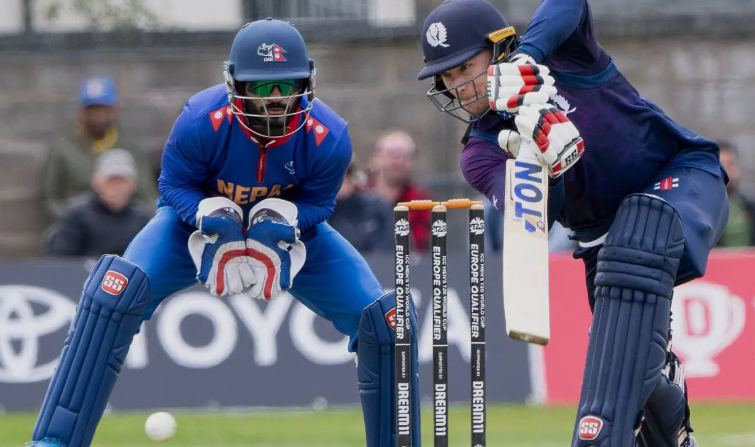
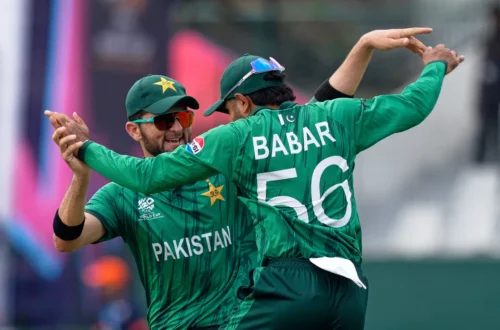
The rivalry between the two associate cricket teams has developed into one of the most competitive matchups in modern limited overs cricket. What began as early encounters filled with uncertainty and learning has now transformed into closely fought battles where every run and wicket carries significance. Both teams have grown significantly in skill, strategy, and mental strength, making their contests unpredictable and exciting. From low scoring early matches to high pressure modern games, this rivalry reflects the evolution of associate cricket on the global stage. Each encounter brings tactical battles, individual brilliance, and shifting momentum that keeps fans engaged throughout the match.
Latest Matches Table
Date
Format
Venue
Winner
Margin
Scotland Score
Nepal Score
18 May 2026
ODI
Kirtipur
Nepal
6 wickets
194
199/4
12 May 2026
ODI
Kirtipur
Scotland
2 runs
243/8
218/7
17 Feb 2026
T20I
Mumbai
Nepal
7 wickets
170/7
171/3
20 Jun 2025
T20I
Glasgow
Scotland
34 runs
193/5
158
17 Jun 2025
T20I
Glasgow
Nepal
2 wickets
97
98/8
08 Jun 2025
ODI
Dundee
Scotland
2 runs
323/6
321
Team Statistics Summary Table
Team Name
Matches
Won
Lost
No Result
Highest Score
Lowest Score
Nepal
13
7
6
1
321
98
Scotland
13
6
7
1
323
97
Tie
0
0
0
0
0
0
Overall Total
13
13
13
1
323
97
Win Percentage Nepal
53.84
0
0
0
0
0
Win Percentage Scotland
46.15
0
0
0
0
0
Individual Batting Records Table
Player Name
Country
Played
Total Runs
Highest Score
Average
Strike Rate
Henry George Munsey
Scotland
11
314
78
62.80
133.10
Rohit Kumar Paudel
Nepal
12
292
95
58.40
88.50
Dipendra Singh Airee
Nepal
13
278
85
69.50
118.20
Michael Alexander Leask
Scotland
12
252
107
50.40
148.05
Aasif Sheikh
Nepal
11
229
62
28.60
79.40
Kushal Malla
Nepal
8
210
81
105.00
112.30
Individual Bowling Records Table
Player Name
Country
Played
Wickets
Best Innings
Economy
Average
Sandeep Lamichhane
Nepal
10
22
4/11
4.62
13.59
Mark Robert James Watt
Scotland
12
18
3/29
4.38
17.66
Karan Khatri Chhetri
Nepal
9
10
3/42
5.56
28.40
Sompal Kami
Nepal
11
10
3/25
5.12
22.30
Michael Alexander Leask
Scotland
12
9
3/33
4.90
22.88
Brandon McMullen
Scotland
7
8
3/32
4.45
24.12
Early Encounters That Set the Tone
The first meetings between the two associate sides came during multi nation tournaments where both teams were still finding consistency at the international level. The matches were played in challenging conditions where pitch behavior often favored disciplined bowling rather than aggressive stroke play. Early contests were shaped by caution rather than dominance, as both sides focused on avoiding collapses instead of chasing high totals. Batters struggled to adjust against varying pace and spin, while bowlers used tight lines to build pressure. Fielding standards also played a major role, with extra runs and dropped chances influencing outcomes. These early games revealed a clear gap in experience, but also highlighted the potential for a balanced rivalry in the future. Each side learned quickly from mistakes, especially in rotating strike and building partnerships under pressure situations. Over time, these encounters created a foundation of respect and competition that would grow stronger in later tournaments.
Match Type
Venue
Winner
Top Batter
Top Bowler
ODI
Neutral Asia Ground
European side
Top order batter
Right arm pacer
T20
Associate Cup Venue
Asian side
Middle order batter
Spin bowler
ODI
Warm up Series
European side
Opener
Fast medium bowler
T20
Qualifier Ground
Asian side
Finisher
Left arm spinner
Rising Identity in Associate Cricket
As both teams developed, their identities in international associate cricket became more defined and distinct. The European side focused on structured batting, disciplined bowling, and calculated match planning. Their approach relied heavily on maintaining control during middle overs and building pressure through consistent line and length bowling. On the other hand, the Asian associate side developed a more emotionally driven and aggressive style, relying on fearless batting and momentum based cricket. This contrast in styles made their encounters more competitive over time. Players from both sides started gaining international exposure, improving skills and match awareness. Coaching structures also improved, introducing better fitness routines and tactical preparation. The rivalry became less about inexperience and more about execution under pressure. As confidence grew, matches became closer, with fewer one sided results. Fans began noticing the rise of a balanced contest where both teams had equal chances depending on match conditions and key moments.
Match Type
Venue
Winner
Top Batter
Top Bowler
ODI
European Ground
European side
Anchor batter
Seam bowler
T20
Asian Ground
Asian side
Aggressive opener
Spin bowler
ODI
Neutral Venue
European side
Top scorer
Death over specialist
T20
Qualifier Match
Asian side
Finisher batter
All round bowler
First Major Clash That Changed Momentum
One of the earliest defining clashes between the two sides marked a clear shift in competitive balance. The match carried pressure from both camps as expectations grew after previous encounters. The European side entered with a structured game plan focused on early wickets and restricting scoring in the powerplay. The Asian side responded with aggressive intent, attempting to break the rhythm of bowlers through quick scoring shots. The game saw several momentum shifts, with partnerships building and collapsing within short spans. Fielding intensity was high, and small errors had significant impact on the final outcome. A crucial spell of bowling during the middle overs changed the direction of the match, forcing a batting collapse that reshaped the chase or defense strategy. The contest ended with a narrow margin, highlighting how closely matched both sides were becoming. This match is often remembered as the point where the rivalry became serious and emotionally charged.
Match Type
Venue
Winner
Top Batter
Top Bowler
ODI
Neutral Ground
European side
Top order anchor
Strike bowler
T20
Tournament Match
Asian side
Power hitter
Spin attacker
ODI
Qualifier
European side
Consistent scorer
Fast bowler
T20
Group Stage
Asian side
Finisher role player
Wicket taking spinner
Breakthrough Victory for the Asian Side
A major breakthrough came when the Asian associate team delivered a standout performance against their European opponents in a high pressure game. Batting first, they displayed improved shot selection and strong partnerships that helped them post a competitive total. The innings featured controlled aggression rather than reckless hitting, showing maturity in approach. The European side struggled early in the chase due to disciplined bowling and sharp field placements. A key bowling spell during the middle overs broke crucial partnerships and reduced scoring momentum. Despite a late attempt to recover, the chase fell short due to mounting required run rate pressure. This victory became a turning point, proving that the Asian side could compete and win against structured opponents. It also boosted confidence across the squad and inspired a new level of belief in future matches. Fans celebrated widely, and the win became symbolic of growth and determination in associate cricket development.
Match Type
Venue
Winner
Top Batter
Top Bowler
ODI
Asian Ground
Asian side
Top scorer batter
Spin bowler
T20
Neutral Venue
Asian side
Middle order hitter
Seam bowler
ODI
Tournament Game
Asian side
Opener anchor
Wicket taker
T20
Qualifier Match
Asian side
Finisher batter
Death overs specialist
Tactical Response from the European Side
Following setbacks, the European team adjusted their tactical approach significantly. The focus shifted towards stronger starts in batting and more aggressive intent in powerplay overs. Bowlers were instructed to attack stumps more consistently and vary pace effectively to disrupt timing. Field placements became more strategic, cutting off boundary options and forcing batters into risky singles. These adjustments showed immediate improvement in performance, as the side regained control in several matches. Partnerships in the middle order stabilized innings and allowed more competitive totals. The bowling unit also displayed improved consistency, especially during pressure overs. This tactical evolution helped restore balance in the rivalry and prevented further one sided results. Matches became more competitive again, with both sides trading victories based on execution rather than momentum alone. The rivalry matured into a tactical battle where preparation and adaptability became as important as individual skill.
Match Type
Venue
Winner
Top Batter
Top Bowler
ODI
European Ground
European side
Anchor batter
Seam bowler
T20
Qualifier
European side
Top scorer
Fast bowler
ODI
Neutral Venue
European side
Middle order batter
Swing bowler
T20
Tournament Match
Asian side
Aggressive hitter
Spin bowler
Player Battles That Defined Matches
Individual player matchups played a major role in shaping outcomes between the two sides. Fast bowlers from the European team often targeted top order batters with early movement and disciplined lines. In response, Asian batters adapted by playing more cautiously in the initial overs before accelerating later. Spin bowlers from the Asian side created challenges in middle overs, forcing errors through flight and variation. Several matches were decided by key battles where one player outperformed another under pressure situations. Finishing abilities also became a major factor, as lower order contributions often decided close games. These contests highlighted the importance of adaptability and mental strength in associate cricket. Over time, certain players built reputations as match winners, consistently influencing outcomes through impactful performances. The rivalry became less about teams and more about these individual duels that shaped the flow of each match.
Match Type
Venue
Winner
Top Batter
Top Bowler
ODI
Neutral Ground
European side
Opener batter
Fast bowler
T20
Tournament Match
Asian side
Finisher batter
Spin bowler
ODI
Qualifier
Asian side
Middle order batter
All round bowler
T20
Group Stage
European side
Anchor batter
Seam bowler
Modern Era Competitive Balance
In recent years, the rivalry has become far more balanced with both sides capable of winning on any given day. Improvements in fitness, strategy, and exposure to global cricket leagues have raised the overall standard. Matches are now often decided in the final overs, reflecting the narrowing gap between the teams. Batting depth has improved significantly on both sides, allowing more stable recoveries after early wickets. Bowlers have also developed variations that suit shorter formats, including slower balls and tighter death over execution. Fielding has become sharper, reducing the number of easy scoring opportunities. This modern phase of the rivalry is characterized by unpredictability and excitement, making each encounter highly competitive. Fans now expect close finishes and dramatic shifts in momentum rather than one sided dominance. The rivalry has evolved into a respected contest in associate cricket, showcasing how far both teams have progressed over time.
Match Type
Venue
Winner
Top Batter
Top Bowler
ODI
Neutral Venue
Asian side
Top order batter
Spin bowler
T20
European Ground
European side
Anchor batter
Fast bowler
ODI
Tournament Match
Asian side
Middle order hitter
Seam bowler
T20
Qualifier
European side
Finisher batter
Death bowler
Conclusion
Over time, this rivalry has evolved into a balanced and respected contest where neither side can be taken lightly. Both teams have experienced periods of dominance, but recent years show a clear rise in competitiveness and quality. Improved batting depth, sharper bowling attacks, and better fielding standards have made matches more intense and unpredictable. Beyond statistics, this rivalry represents growth, resilience, and ambition in associate cricket. Every new encounter adds another chapter filled with pressure moments and memorable performances, ensuring that the competition continues to hold significance in the international cricket landscape.