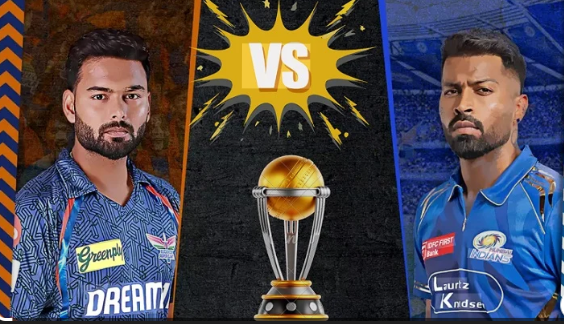
The Mumbai Indians vs Lucknow Super Giants stats tell the story of a modern IPL rivalry that has quickly grown in intensity and intrigue. What began as a clash between an established champion and a new entrant soon evolved into a battle of strategy, composure, and execution. From powerplay aggression to middle overs control and death over drama, every phase has produced defining moments. Scorecards from these encounters reveal close finishes, standout performances, and tactical battles that shaped outcomes. This rivalry is not just about numbers but about momentum shifts, player duels, and the growing confidence of a new-age team challenging a legacy powerhouse.
Latest Matches
Tournament
Venue
Date
Toss
Mumbai Indians Score
Lucknow Super Giants Score
Result
Series
Player of the Match
Indian Premier League 2025
Wankhede Stadium, Mumbai
Apr 27, 2025
Lucknow Super Giants (field)
215/7 (20 overs)
161 (20 overs)
Mumbai Indians won by 54 runs
IPL 2025
Will Jacks (MI)
Indian Premier League 2025
Bharat Ratna Shri Atal Bihari Vajpayee Ekana Cricket Stadium, Lucknow
Apr 4, 2025
Mumbai Indians (field)
191/5 (20 overs)
203/8 (20 overs)
Lucknow Super Giants won by 12 runs
IPL 2025
Digvesh Rathi (LSG)
Indian Premier League 2024
Wankhede Stadium, Mumbai
May 17, 2024
Mumbai Indians (field)
196/6 (20 overs)
214/6 (20 overs)
Lucknow Super Giants won by 18 runs
IPL 2024
Nicholas Pooran (LSG)
Indian Premier League 2024
Bharat Ratna Shri Atal Bihari Vajpayee Ekana Cricket Stadium, Lucknow
Apr 30, 2024
Lucknow Super Giants (field)
144/7 (20 overs)
145/6 (19.2 overs)
Lucknow Super Giants won by 4 wickets
IPL 2024
Marcus Stoinis (LSG)
Indian Premier League 2023 (Eliminator)
MA Chidambaram Stadium, Chennai
May 24, 2023
Mumbai Indians (bat)
182/8 (20 overs)
101 (16.3 overs)
Mumbai Indians won by 81 runs
IPL 2023
Akash Madhwal (MI)
Indian Premier League 2023
Bharat Ratna Shri Atal Bihari Vajpayee Ekana Cricket Stadium, Lucknow
May 16, 2023
Mumbai Indians (field)
172/5 (20 overs)
177/3 (20 overs)
Lucknow Super Giants won by 5 runs
IPL 2023
Marcus Stoinis (LSG)
Indian Premier League 2022
Wankhede Stadium, Mumbai
Apr 24, 2022
Mumbai Indians (field)
132/8 (20 overs)
168/6 (20 overs)
Lucknow Super Giants won by 36 runs
IPL 2022
KL Rahul (LSG)
All-Time Head-to-Head Record
Statistic
Mumbai Indians
Lucknow Super Giants
Matches Played
8
8
Wins
2
6
Losses
6
2
Highest Team Total
215/7
214/6
Lowest Team Total
132/8
101
No Result / Tied
0
0
All-Time Batting Leaders
Rank
Player
Team
Innings
Runs
Average
Strike Rate
Highest Score
1
KL Rahul
LSG
4
289
144.50
156.21
103*
2
Marcus Stoinis
LSG
6
229
45.80
149.67
89*
3
Rohit Sharma
MI
6
165
27.50
142.24
68
All-Time Bowling Leaders
When a New Challenger Knocked on Mumbai’s Door
When Lucknow Super Giants entered the Indian Premier League, their first meetings with Mumbai Indians carried a sense of curiosity and quiet tension. Mumbai, a five-time champion side, had built its reputation on experience, big-match temperament, and a core of proven match-winners. Lucknow, on the other hand, arrived with fresh energy, sharp planning, and a fearless approach led by KL Rahul. Their early encounters were not just about results but about setting a tone. Lucknow showed from the very beginning that they were not intimidated by Mumbai’s legacy. With disciplined bowling, calculated batting, and smart captaincy, they managed to challenge Mumbai in areas where the latter had traditionally dominated. The scorecards from these matches reflected tight contests, controlled chases, and moments where Lucknow held their nerve better. For Mumbai, it was a wake-up call that a new competitor was ready to disrupt the hierarchy. For fans, it marked the beginning of a rivalry that promised intensity, tactical depth, and evolving narratives every time these two sides stepped onto the field.
Match No.
Winner
Key Performer
Venue
Result Margin
1
Lucknow Super Giants
KL Rahul
Mumbai
18 runs
2
Lucknow Super Giants
Krunal Pandya
Mumbai
36 runs
3
Lucknow Super Giants
Marcus Stoinis
Lucknow
5 runs
4
Mumbai Indians
Rohit Sharma
Chennai
6 wickets
5
Lucknow Super Giants
Ravi Bishnoi
Lucknow
12 runs
First Encounters That Set the Competitive Tone
The first few clashes between Mumbai Indians and Lucknow Super Giants did more than just produce results. They quietly built the foundation of a competitive rivalry that no one had fully anticipated. Lucknow, despite being a new franchise, walked into these games with clarity in roles and a calm mindset, something that showed in their early scorecards. KL Rahul anchored the innings with calculated precision, ensuring that Lucknow posted competitive totals or chased targets without panic. Mumbai, known for explosive starts and experienced finishers, found themselves slightly outplayed in key moments. Their batting often promised more than it delivered, especially against Lucknow’s disciplined bowling attack led by spinners and clever pace variations. What stood out in these early matches was Lucknow’s ability to control the tempo. They did not rush, they did not overattack, but they executed plans with maturity beyond their years. These encounters were not one-sided, but the edge belonged to Lucknow in crunch situations. For Mumbai, it was a phase of adjustment, while for Lucknow, it was a statement that they were here to compete, not just participate.
Match Phase
Mumbai Indians Approach
Lucknow Super Giants Approach
Key Impact
Outcome Trend
Powerplay
Aggressive batting
Controlled bowling
Early wickets for Lucknow
Advantage Lucknow
Middle Overs
Rotation struggle
Spin control
Slowed scoring rate
Lucknow dominance
Death Overs
Big hitting attempts
Smart variations
Contained finish
Lucknow edge
Chase Strategy
Risk-based approach
Anchored innings
Better target management
Lucknow success
Pressure Moments
Inconsistent response
Calm execution
Key breakthroughs
Lucknow advantage
Powerplay Battles That Defined Momentum Early
The powerplay overs quickly became the heartbeat of contests between Mumbai Indians and Lucknow Super Giants, often deciding which team would control the narrative of the match. Mumbai relied heavily on explosive starts from Rohit Sharma and aggressive stroke-makers at the top, aiming to dominate the first six overs with intent and boundary-hitting. However, Lucknow approached this phase with discipline and tactical clarity. Bowlers like Deepak Hooda’s part-time spin support and the sharp pace variations from their frontline attack ensured that Mumbai’s aggression was met with control rather than panic. Early wickets became a recurring theme, disrupting Mumbai’s rhythm and forcing their middle order to rebuild earlier than planned. On the other side, Lucknow’s batting in the powerplay was built around stability, with KL Rahul focusing on timing over power, ensuring minimal risk while keeping the scoreboard ticking. These contrasting styles created fascinating battles, where one team attacked and the other absorbed pressure before striking back. Time and again, the scorecards showed that whichever side handled the powerplay better often carried that advantage deep into the match, making these opening overs a decisive factor in shaping results.
Aspect
Mumbai Indians Style
Lucknow Super Giants Style
Key Result
Match Impact
Batting Intent
Aggressive stroke play
Controlled start
Risk vs stability
Balanced contests
Wicket Loss
Early breakthroughs
Minimal wickets lost
Pressure on Mumbai
Lucknow advantage
Bowling Strategy
Pace attack upfront
Variation and discipline
Restricted scoring
Tight powerplays
Run Rate
High but inconsistent
Steady and calculated
Better control by Lucknow
Momentum shift
Overall Outcome
Unstable starts
Composed approach
Early control of match
Lucknow dominance early
Powerplay Battles That Defined Momentum Early
The powerplay overs quickly became the heartbeat of contests between Mumbai Indians and Lucknow Super Giants, often deciding which team would control the narrative of the match. Mumbai relied heavily on explosive starts from Rohit Sharma and aggressive stroke-makers at the top, aiming to dominate the first six overs with intent and boundary-hitting. However, Lucknow approached this phase with discipline and tactical clarity. Bowlers like Deepak Hooda’s part-time spin support and the sharp pace variations from their frontline attack ensured that Mumbai’s aggression was met with control rather than panic. Early wickets became a recurring theme, disrupting Mumbai’s rhythm and forcing their middle order to rebuild earlier than planned. On the other side, Lucknow’s batting in the powerplay was built around stability, with KL Rahul focusing on timing over power, ensuring minimal risk while keeping the scoreboard ticking. These contrasting styles created fascinating battles, where one team attacked and the other absorbed pressure before striking back. Time and again, the scorecards showed that whichever side handled the powerplay better often carried that advantage deep into the match, making these opening overs a decisive factor in shaping results.
Aspect
Mumbai Indians Style
Lucknow Super Giants Style
Key Result
Match Impact
Batting Intent
Aggressive stroke play
Controlled start
Risk vs stability
Balanced contests
Wicket Loss
Early breakthroughs
Minimal wickets lost
Pressure on Mumbai
Lucknow advantage
Bowling Strategy
Pace attack upfront
Variation and discipline
Restricted scoring
Tight powerplays
Run Rate
High but inconsistent
Steady and calculated
Better control by Lucknow
Momentum shift
Overall Outcome
Unstable starts
Composed approach
Early control of match
Lucknow dominance early
KL Rahul’s Composure Against Mumbai’s Big-Game Experience
In a rivalry where experience often meets ambition, KL Rahul’s calm and calculated batting stood out as a defining factor against Mumbai Indians. While Mumbai brought years of big-match exposure and a lineup filled with proven performers, Rahul countered that advantage with remarkable composure at the crease. He rarely looked rushed, even when facing quality bowlers like Jasprit Bumrah and the experienced Mumbai attack. Instead of chasing quick runs, Rahul focused on building his innings, pacing it smartly according to the situation. His ability to anchor the innings allowed Lucknow Super Giants to avoid collapses and maintain stability, especially when early wickets fell. Time and again, the scorecards reflected Rahul’s consistency, with crucial fifties and well-constructed innings that guided Lucknow to competitive totals or successful chases. Mumbai’s aggressive field settings and bowling changes often tried to break his rhythm, but Rahul’s patience and shot selection made it difficult. This contrast between Mumbai’s high-pressure style and Rahul’s composed approach created a fascinating battle. In many matches, his calm presence became the difference between a shaky innings and a match-winning performance, quietly tilting the balance in Lucknow’s favor.
Match Situation
KL Rahul’s Approach
Mumbai Indians Strategy
Key Outcome
Impact on Game
Early Overs
Watchful and steady
Attacking field placements
Minimal risk taken
Stable start for Lucknow
Against Pace
Precise shot selection
Short ball and yorkers
Controlled scoring
Neutralized pace threat
Middle Overs
Strike rotation
Spin choke strategy
Maintained run flow
Avoided pressure build-up
Chase Situations
Anchoring innings
Aggressive bowling changes
Successful chases
Match-winning influence
Pressure Moments
Calm decision-making
Tight fielding pressure
Crucial partnerships built
Lucknow advantage
Rohit Sharma’s Leadership Tested Under Pressure
For Mumbai Indians, much of their success over the years has been built on the calm yet sharp leadership of Rohit Sharma. But against a fresh and tactically disciplined Lucknow Super Giants side, his captaincy was pushed into unfamiliar territory. These matches were not about cruising to wins but about constantly reacting to pressure situations that slipped out of control in small phases. Rohit’s usual strategy of backing his core players and trusting experience was challenged by Lucknow’s unpredictability and structured gameplay. Bowling changes that once worked effortlessly now required more precision, especially when KL Rahul and his team refused to take unnecessary risks. Field placements became tighter, and decisions had to be made quickly as momentum shifted in short bursts. There were moments where Rohit tried to attack with aggressive fields, only for Lucknow to counter with calm shot selection and smart rotation. Despite setbacks, his ability to stay composed and search for breakthroughs kept Mumbai competitive in tight contests. These encounters highlighted a different side of his leadership, one that had to adapt, rethink, and evolve against a new-age opponent that was not overawed by reputation.
Tactical Area
Rohit Sharma’s Approach
Lucknow’s Response
Key Outcome
Match Impact
Bowling Changes
Backing main bowlers
Targeting weaker overs
Mixed results
Momentum swings
Field Placement
Aggressive setups
Smart strike rotation
Gaps exploited
Pressure released
Powerplay Strategy
Attacking with pace
Cautious batting
Limited breakthroughs
Balanced start
Middle Overs
Spin introduction
Controlled scoring
Reduced wicket chances
Lucknow stability
Pressure Handling
Calm but reactive
Composed execution
Close contests
Tight finishes
Middle Overs Mind Games and Tactical Shifts
The middle overs in clashes between Mumbai Indians and Lucknow Super Giants often turned into a quiet battle of intelligence, where the game slowed down but the pressure quietly built. This phase, usually between overs 7 to 15, became a testing ground for strategy, patience, and execution. Mumbai relied on their experienced spinners and smart pace variations to break partnerships, trying to create dots and force mistakes. However, Lucknow approached this period with a clear plan. Their batters focused on strike rotation, minimizing risks while keeping the scoreboard moving. KL Rahul and the middle order ensured that there were no sudden collapses, which frustrated Mumbai’s attempts to regain control. On the flip side, Lucknow’s bowlers used clever field placements and changes in pace to restrict Mumbai’s scoring rate, forcing them into risky shots later. These overs rarely produced explosive moments, but they quietly shaped the match outcome. Many scorecards revealed that the team which handled this phase better often entered the death overs with a clear advantage, making the middle overs a decisive and strategic turning point in this evolving rivalry.
Aspect
Mumbai Indians Strategy
Lucknow Super Giants Strategy
Key Result
Match Impact
Bowling Approach
Spin and variations
Controlled pace and spin
Slowed scoring rate
Tight middle phase
Batting Style
Rotation with caution
Steady strike rotation
Reduced risk
Stable innings
Wicket Strategy
Build pressure for wickets
Avoid collapses
Few wickets lost
Lucknow advantage
Run Rate Control
Dot ball pressure
Consistent singles
Balanced scoring
Momentum control
Tactical Moves
Field adjustments
Smart shot selection
Pressure absorption
Game shaping phase
Explosive Finishers and Death Overs Drama
If the middle overs were about patience, the death overs between Mumbai Indians and Lucknow Super Giants were pure chaos, pressure, and fearless hitting. This is where matches truly came alive, with explosive finishers turning tight contests into unforgettable moments. Players like Tim David brought raw power for Mumbai, capable of clearing boundaries at will, while Lucknow relied on the all-round brilliance of Marcus Stoinis to counter with equally destructive intent. The final five overs often saw dramatic swings, with bowlers under immense pressure to execute yorkers, slower balls, and wide lines. Mumbai’s strategy leaned on experience, trusting their finishers to accelerate late, but Lucknow’s bowlers frequently responded with clever variations that disrupted timing. On the other hand, when Lucknow batted, their finishers combined calculated risks with brute force, ensuring they maximized scoring without reckless play. Several scorecards reflected matches being decided in just one or two overs, where a flurry of boundaries or a couple of wickets completely flipped the result. These death overs were not just about skill but nerve, where composure under pressure often separated victory from defeat in this growing rivalry.
Phase
Mumbai Indians Strength
Lucknow Super Giants Strength
Key Result
Match Impact
Finishing Power
Tim David hitting
Stoinis all-round finishing
High scoring bursts
Rapid momentum shifts
Bowling Tactics
Yorkers and pace
Variations and slower balls
Mixed execution
Unpredictable outcomes
Pressure Moments
Experience-driven play
Calm under pressure
Close finishes
Nail-biting endings
Big Overs
Boundary hitting sprees
Balanced aggression
Sudden score jumps
Game-changing phases
Final Outcome
Late acceleration
Controlled finishing
Matches decided late
Dramatic results
Matches That Flipped in a Single Over
In the growing rivalry between Mumbai Indians and Lucknow Super Giants, there have been several moments where an entire match changed direction in just one over. These were not gradual shifts but sudden jolts that left players and fans stunned. A quiet game could suddenly explode when a bowler conceded 20 runs or a batter unleashed a flurry of boundaries under pressure. Mumbai, known for their fighting spirit, often relied on late bursts from their middle and lower order to turn games around. On the other hand, Lucknow showed a knack for breaking momentum at the perfect time, picking up crucial wickets in a single over that halted Mumbai’s charge. These moments were reflected clearly in the scorecards, where one over stood out as the turning point. Whether it was a collapse triggered by back-to-back wickets or a game-changing over filled with sixes, these instances defined the unpredictability of the contest. They highlighted how fragile momentum can be in T20 cricket, where one mistake or one brilliant effort can rewrite the outcome. In this rivalry, those single overs often carried the weight of the entire match.
Over Scenario
Mumbai Indians Impact
Lucknow Super Giants Impact
Key Moment
Result Shift
High Scoring Over
Big hitting burst
Pressure on bowlers
18 to 20 runs scored
Momentum to Mumbai
Wicket Over
Sudden collapse
Key breakthroughs
2 to 3 wickets
Lucknow advantage
Death Over Drama
Late acceleration
Tight bowling comeback
Runs or wickets in final overs
Match swings
Powerplay Turn
Early aggression lost
Early wickets gained
Quick breakthroughs
Lucknow control
Final Over Twist
Chase pressure
Calm execution
Last over finish
Decided outcome
Conclusion
As the Mumbai Indians vs Lucknow Super Giants stats continue to evolve, the rivalry reflects a fascinating shift in IPL dynamics. Mumbai’s experience and history have been tested by Lucknow’s fearless approach and structured gameplay. Each match has added new layers, from dramatic finishes to game-changing overs and individual brilliance. The scorecards highlight how closely contested these battles have been, often decided by small moments. Looking ahead, this rivalry promises even greater intensity, with both teams constantly adapting and improving. It is no longer just a contest but a storyline that continues to capture the attention of cricket fans everywhere.